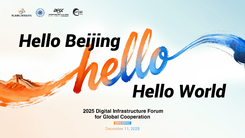
Over 600 Guests from 20+ Countries Gather at 2025 DIFGC Beijing to Explore New Pathways for Global AI Computing Collaboration
the 2025 Beijing Forum on Global Digital Infrastructure Cooperation & Development (2025 DIFGC), themed “Global Computing Synergy: Co-Creating the Future of AI Data Centers,” was co-guided by the Digital Infrastructure Technology Council (DITC) and the China-BRICS Artificial Intelligence Development and Cooperation Center.
2025 Digital Infrastructure Forum for Global Cooperation (2025 DIFGC), held on December 11 at Shougang International Convention and Exhibition Center in Beijing, themed “Global Computing Synergy: Co-Creating the Future of AI Data Centers,” was co-guided by the Digital Infrastructure Technology Council (DITC) and the China-BRICS AI Development and Cooperation Center (BRICS AI Center).
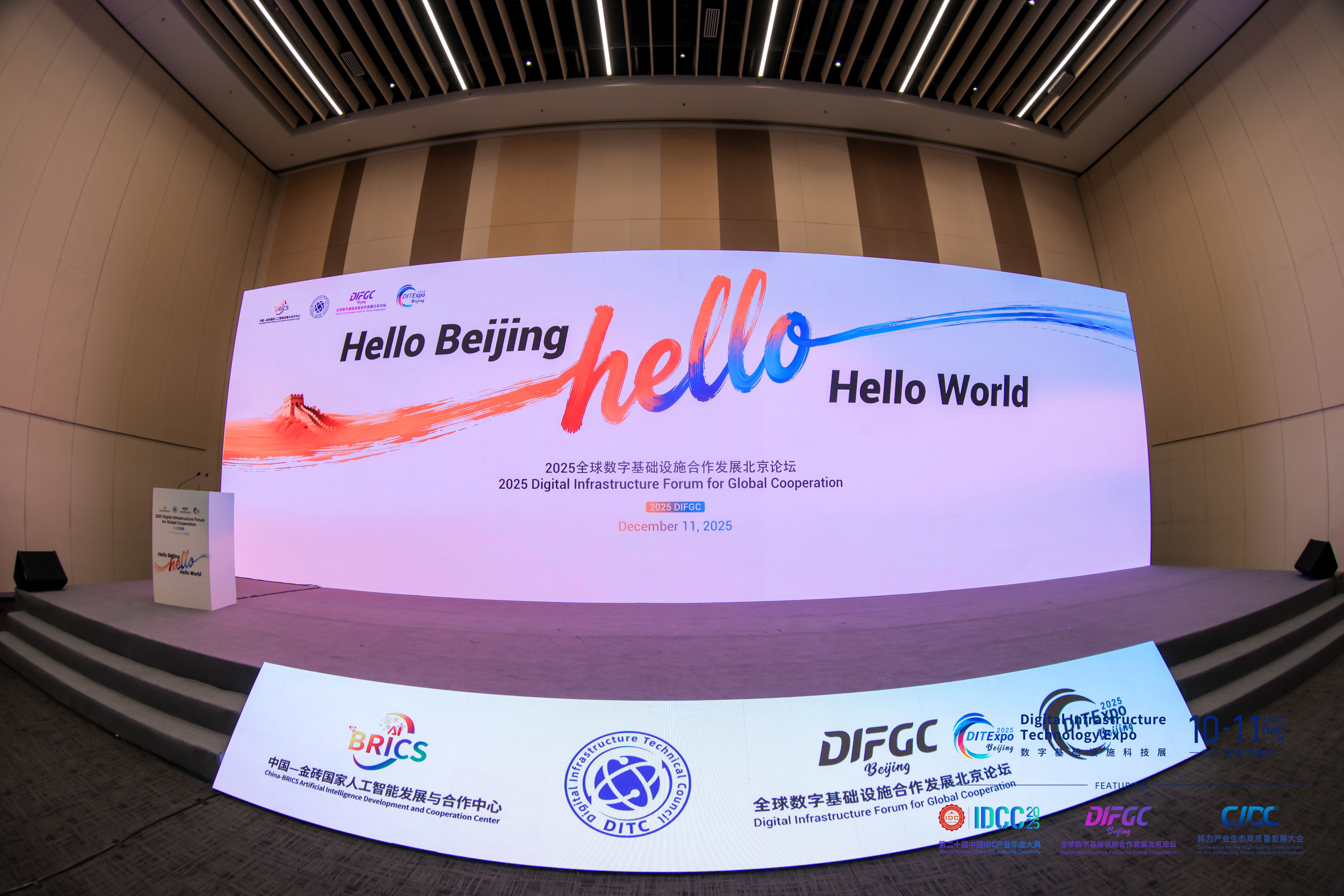
The forum brought together policymakers, industry leaders, and technical experts from world-renowned institutions and enterprises worldwide, including Peking University, China Academy of Information and Communications Technology (CAICT), China-BRICS Artificial Intelligence Development and Cooperation Center, Sunevision, Beijing Astro-future Institute of Space Technology, China Telecom Global, EdgeNext, Twenty-First Centary Science&Technology Development Co.,Ltd, BBIX Group, Open DC Group, Embassy of Brazil in China, Tsinghua University School of Medical Management, Simon Long-Term Governance Institute, Xiaoduo Intelligent Technology, Unidt Computing Technology, Cloudflare, Liasail, GALAXY DATA CENTER, PCCW Global, KINX Group, Amazon Web Services (AWS), Huiyu Chuanggu, UCloud, ByteBridge, and ZAI. Attendees engaged in in-depth discussions on strategic data center layout in the AI era, technological innovation, space-based data center foresight, enterprise global expansion strategies, and green sustainable development, collectively envisioning the future landscape of the global computing ecosystem.
As a premier international gathering, the event hosted over 100 overseas delegates from more than 20 countries and regions—including Singapore, Indonesia, Malaysia, Bangladesh, Ireland, India, Japan, the UK, and Brazil—and over 500 domestic industry representatives. Additionally, a dedicated delegation of overseas business investors attended to facilitate in-depth networking and resource matching.
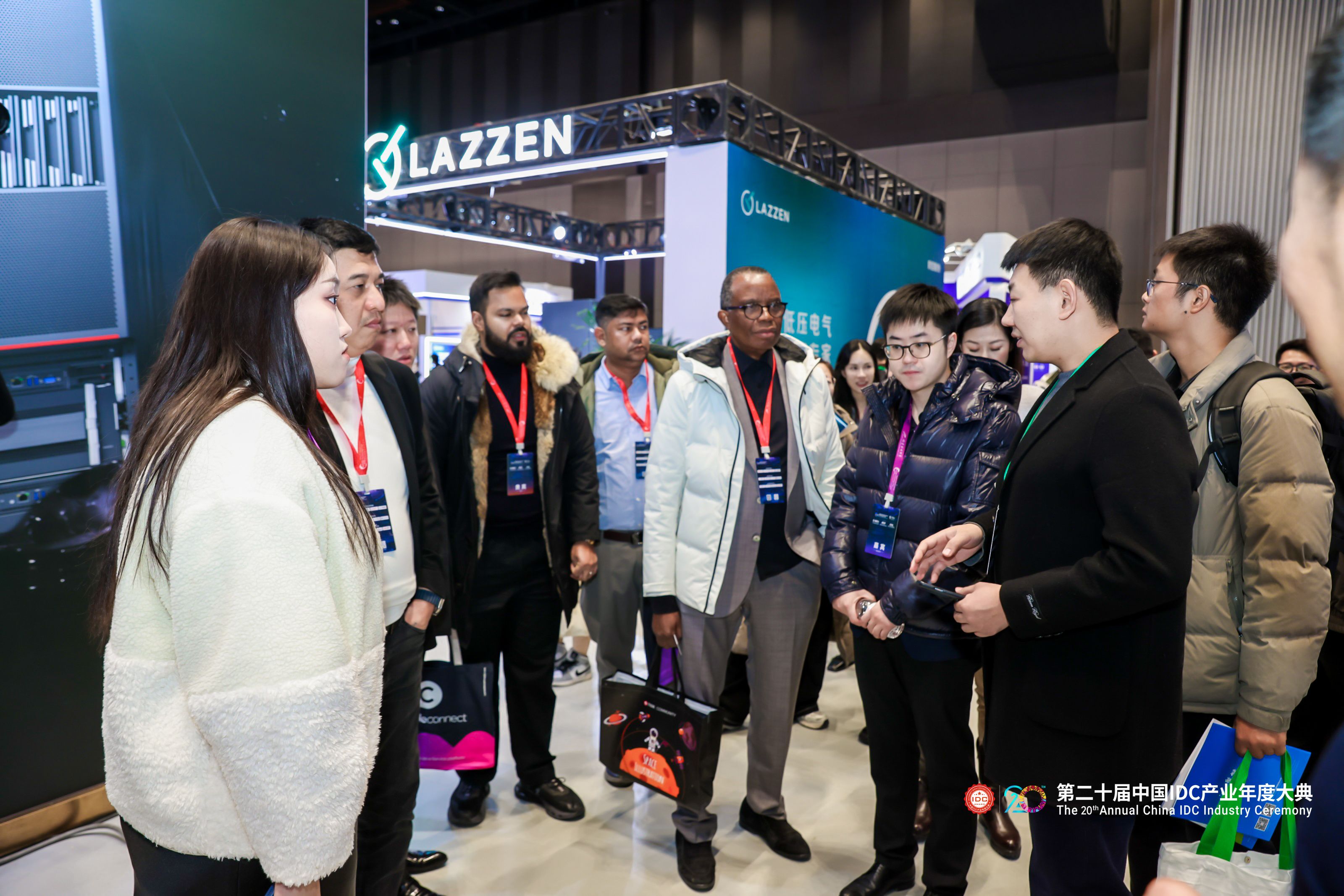
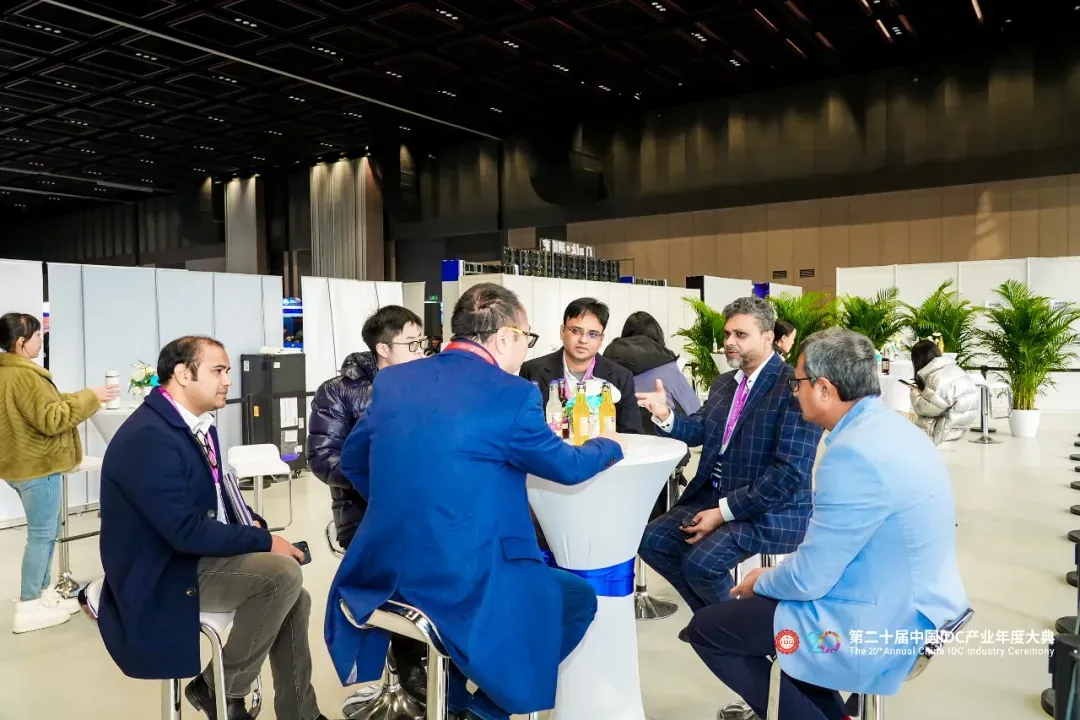
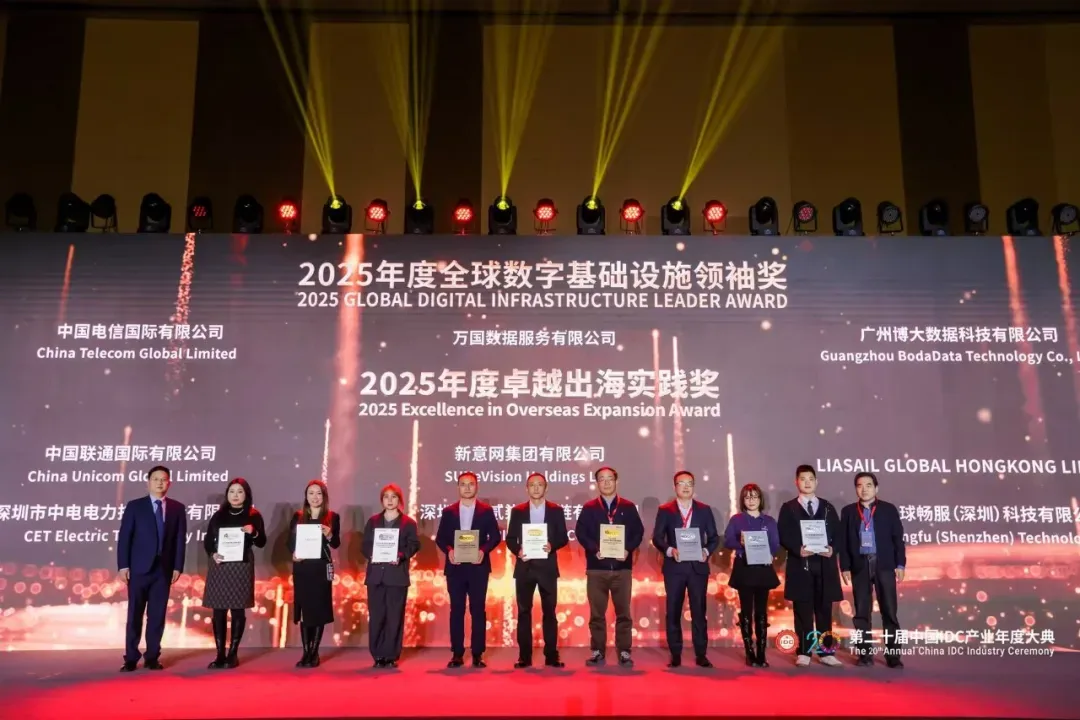
Notably, in the "2025 China IDC Industry Annual Awards" held prior to the forum, the organizing committee established two major awards—the 2025 Global Digital Infrastructure Leader Award and the 2025 Excellence in Overseas Expansion Award—to recognize Chinese companies achieving breakthroughs in international markets and digital solution providers assisting Chinese companies' globalization. An award ceremony was held during the event.
Among them, China Telecom Global Limited, GDS Services Limited, and Guangzhou BodaData Technology Co., Ltd. won the "2025 Global Digital Infrastructure Leader Award" for their outstanding performance in global expansion. Meanwhile, China Unicom Global Limited, SUNeVision Holdings Ltd., LIASAIL GLOBAL HONGKONG LIMITED, Shenzhen Zhongdian Power Technology Co., Ltd., Five Two Seven Supply CHAIN Co., Ltd., and Shengda Global Changfu (Shenzhen) Technology Co., Ltd. were honored with the "2025 Excellence in Overseas Expansion Award."
Navigation and Foresight: New Strategic Visions from a Global Perspective
At the forum's opening, Yang Ronggui, Vice Chairman of DITC, Chair Professor at Peking University, Member of the Academic Committee of the Faculty of Engineering, and Director of the Department of Energy and Resource Engineering, delivered a speech.
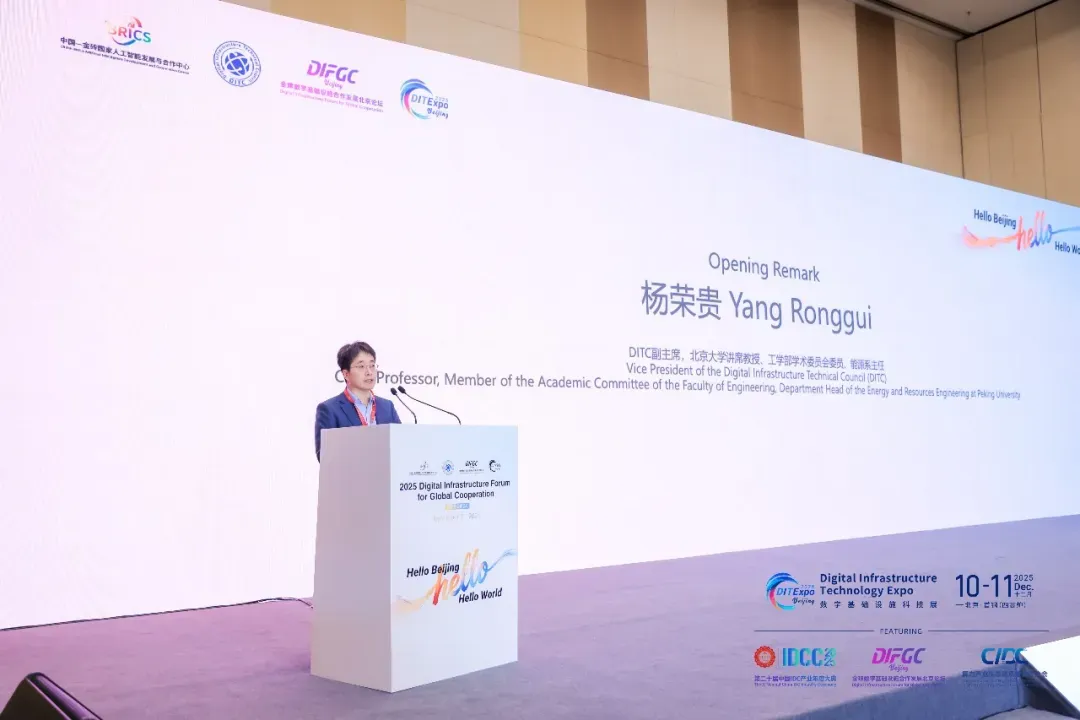
Yang stated that the shared industry experience over the past year is no longer about "adding equipment" but about "restructuring systems." Model scale, power density, and business latency are deeply integrating chips, servers, cooling, power distribution, scheduling, operations, network interconnection, and data governance. Within this system, collaborative optimization will become a more critical core competency than pursuing local extremes.
Regarding corporate globalization, Yang shared three validated paths: First, adhere to a "global unified core + localized extension," using standardization to ensure a baseline while adapting to differences via "extension packs." Second, guide high-density evolution with systems engineering thinking, treating "controllability, manageability, and calculability" as hard constraints. Third, ensure business determinism through interconnection capabilities. He specifically recommended building an engineering radar chart through "quality and compliance pre-assessment" to mitigate long-term risks. Finally, on behalf of DITC, Yang proposed advancing three types of open practices: launching pilot projects for AI data center quality and energy efficiency benchmarks; co-building a collaborative validation platform for liquid cooling systems; and constructing a talent cultivation and research network integrating industry, academia, and research.
In the keynote speech session, Xu Shan, Director of International Development at the AI Research Institute of CAICT and expert at the China-BRICS AI Development and Cooperation Center, delivered an in-depth interpretation titled "AI Development Trends and International Cooperation."
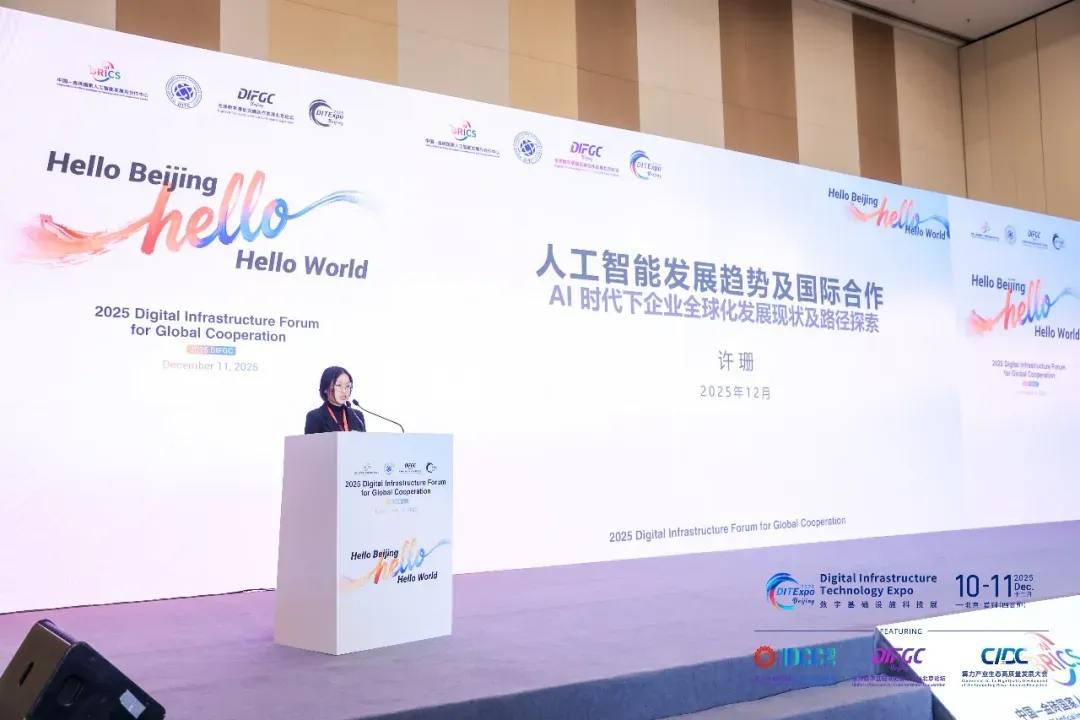
Analyzing global AI trends, Xu emphasized that localization is not simple replication but deep integration, and international cooperation should be bidirectional co-creation, not one-way export. Summarizing the four main directions for Chinese companies going global, she listed: AI infrastructure; large model software services; ecosystem services driven by hardware (e.g., smart home, robotics); and vertical industry solutions leveraging cost and talent advantages. Xu further pointed out common challenges: increased market entry barriers due to geopolitics and trade protectionism; stricter cross-border data regulations and high compliance costs; the challenge of "technology localization" requiring adaptation to cultural and policy differences; and the shortage and fierce competition for global high-end talent and computing resources. Facing these challenges, Xu proposed a "supply-demand synergy, ecosystem co-creation" model, where technology providers advance advanced capabilities, scenario providers open local resources, and both parties jointly research and co-build pilot projects.
Focusing on corporate global strategy, Coco Cheng, Vice President of Business Development (Greater China) at SUNeVision, shared insights in "Global Expansion Practical Guide: The Strategic Gateway for the AI Era."
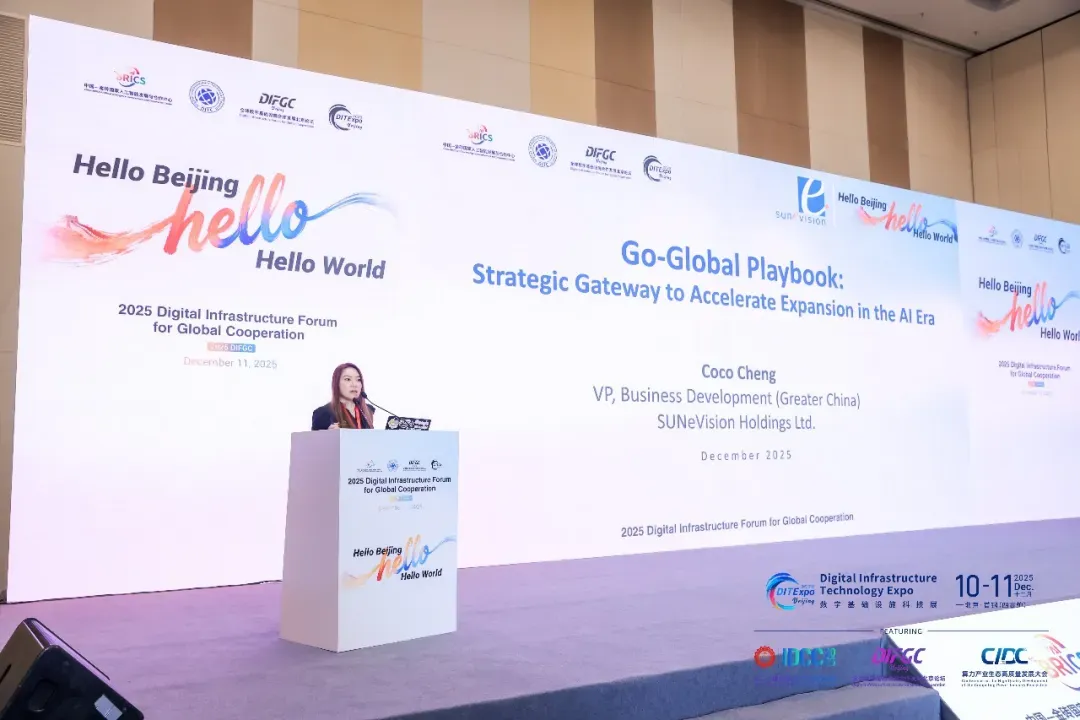
Coco Cheng mentioned that China's investment in AI has become a key engine for industry development, with an estimated annual investment of about 700 billion RMB in 2025 alone, one-third focused on large language models.
Furthermore, AI companies face four core challenges in globalization: infrastructure, network connectivity, compliance, and energy consumption. Regarding infrastructure, sufficient power supply to support computing clusters, GPU farms, and hyperscale loads is required. For connectivity, low latency is key to ensuring high-quality AI services, but current broadband bottlenecks have increased from 43% in 2024 to 59%, with latency complaint rates rising from 32% to 53%. Compliance-wise, companies must adapt to differing regulatory frameworks like EU GDPR and California CCPA, avoiding risks of hefty fines. Energy-wise, Generative AI consumes 10-30 times more power than traditional AI, with the latest chips seeing a 300% surge in energy consumption, pushing companies towards cooling solutions like liquid and immersion cooling.
Regarding the future form of computing infrastructure, Zhang Shancong, President of the Beijing Starry Future Space Technology Research Institute, delivered a forward-looking keynote, "Key Challenges and Industrial Empowerment Opportunities in Space Data Center Construction."
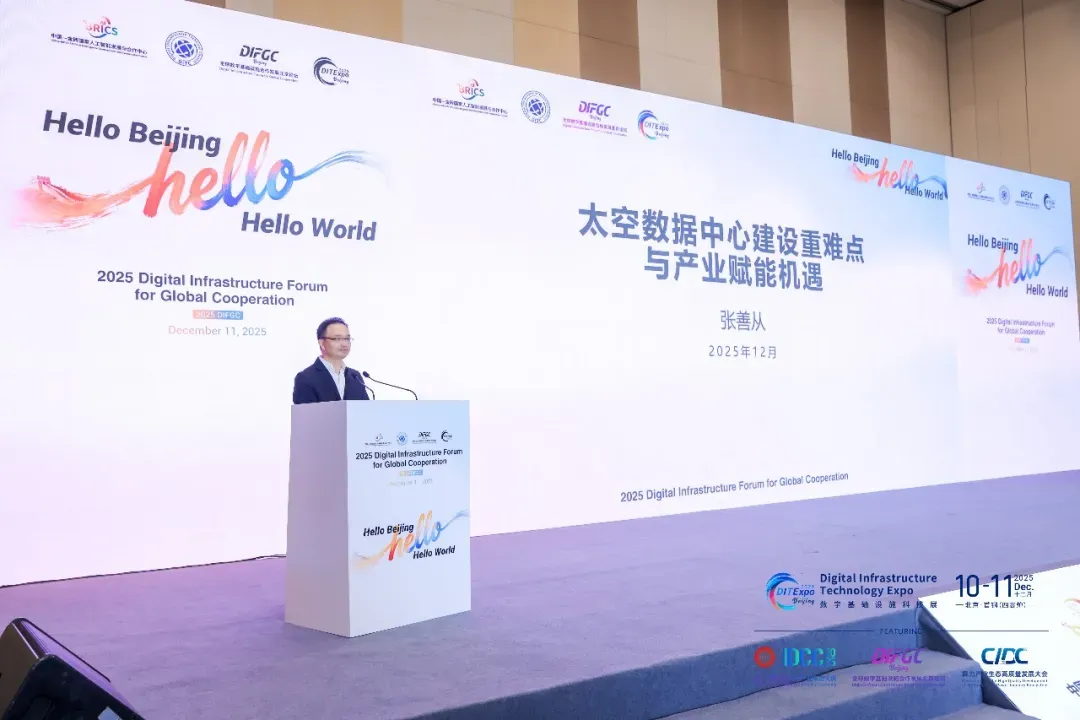
President Zhang pointed out that ground-based data centers face difficulties in land approval, long-term power shortages, cooling bottlenecks, and environmental issues from carbon emissions. Relocating high-energy-consumption data centers to space, utilizing 24/7 undiminished solar energy in near-Earth "dawn-dusk orbits," could effectively address these pain points. He admitted that constructing a gigawatt-scale space data center would be the largest aerospace project in human history, facing three core challenges—power supply, heat dissipation, and communication—requiring breakthroughs in multiple cutting-edge technological fields.
Liu Ying, General Manager of the Computing Power and IDC Business Operation Center at China Telecom Global, delivered a speech titled "Co-building an Intelligent Computing Ecosystem, Unleashing Global Value: Assisting Chinese Companies' Globalization, Collaborating for Common Development."
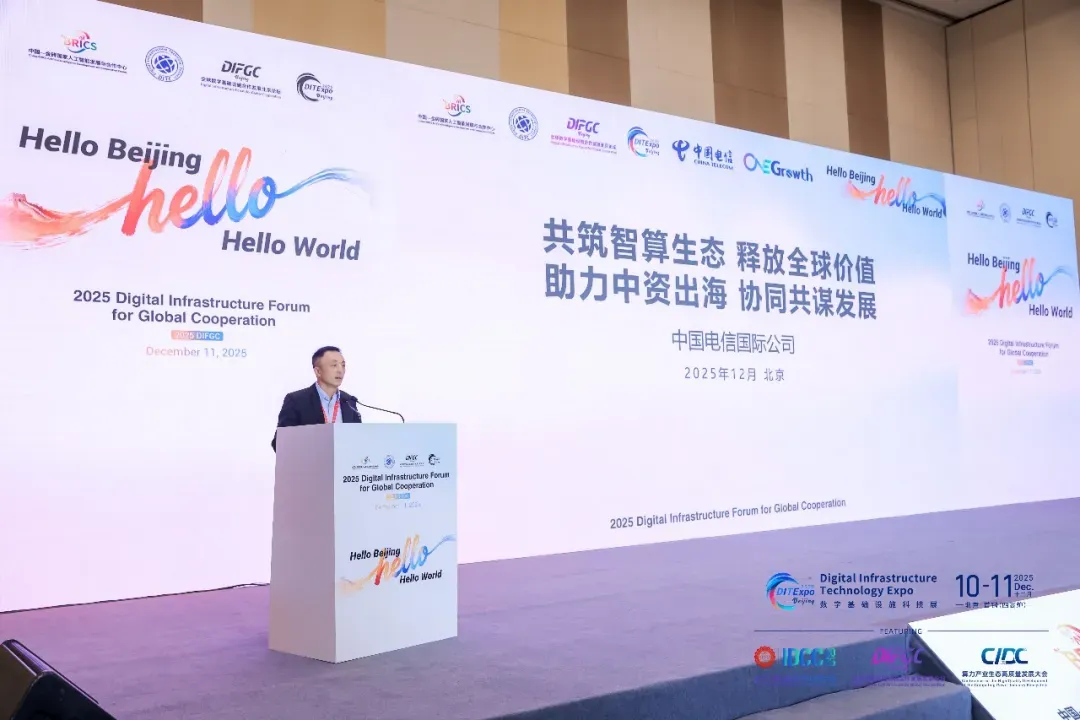
Liu noted that under the "Belt and Road" initiative, Chinese companies' globalization is evolving from simple "product export" and "manufacturing export" towards "full industrial chain export." He analyzed pain points at different stages: ensuring concurrent access during e-commerce promotions; video conferencing lag at overseas branches; and hacker attacks and data hijacking faced by full industrial chain exporters. Companies must integrate green development and energy consumption into core considerations.
Liu also shared China Telecom Global's practices, highlighting two benchmark projects: the Indonesia IDC and Hong Kong's Tseung Kwan O data center. The Indonesia project's first phase is operational and supports customized liquid cooling retrofits, while the Hong Kong project is expected to launch mid-next year. For future strategy, Liu proposed a "2+5+X" global layout: establishing Hong Kong and Indonesia as two cores, radiating to key regions like Germany and Thailand, and flexibly expanding based on computing power demand.
Technology and Implementation: Innovation-Driven Industry Practice
As a special segment, Yang Peifeng, Asia-Pacific Observer of DITC, released the industry observation report "DIF Observation: Characteristics and Requirements of Chinese Companies' Overseas Computing Power Center Deployment" on behalf of DITC, analyzing drivers, deployment models, compliance challenges, and future recommendations.
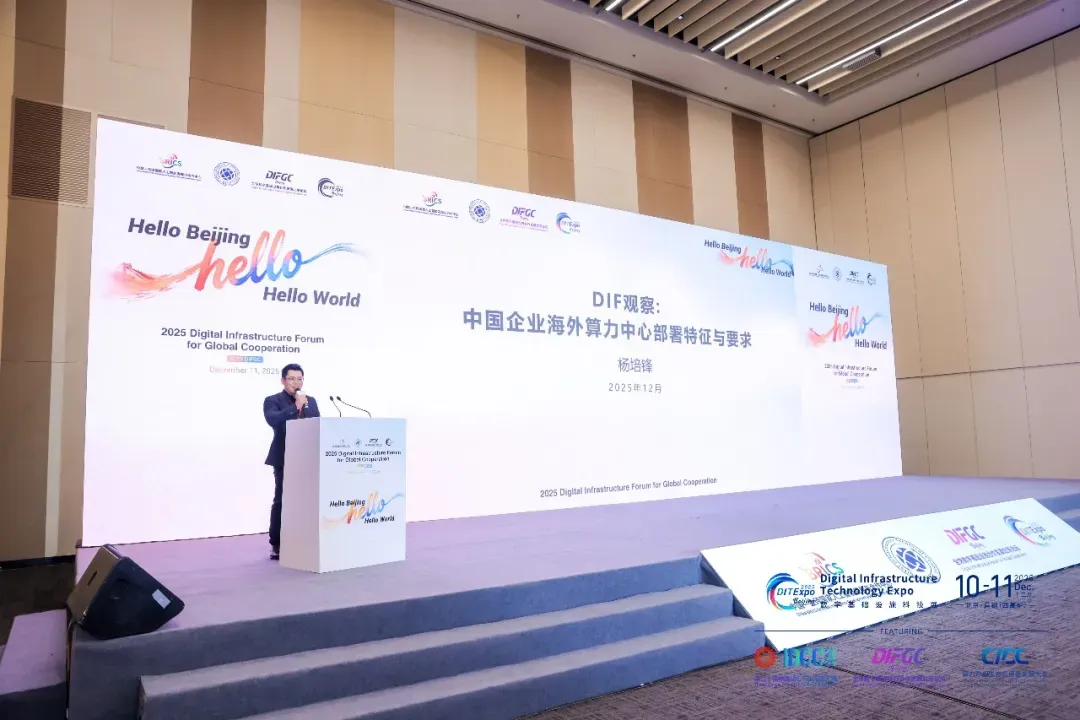
Yang stated that computing power globalization is an inevitable choice for the globalization of new quality productive forces. He projected that global data center IT load would reach 64GW by 2025 and exceed 100GW by 2028, with a CAGR of nearly 20%. Currently, about 70% of companies expanding overseas prioritize leasing cloud services to avoid high costs associated with land, market access, and compliance for self-built data centers. He emphasized the need to pay close attention to data privacy laws, data sovereignty, and trade restrictions while leveraging local tax incentives. Additionally, hard power (infrastructure and O&M capabilities), full-stack security, and adaptability to rapid chip iterations (like NVIDIA's) are key to global decision-making.
For future development, Yang recommended a tiered strategy of "centralized deployment, edge coverage, and emerging exploration," creating a full-stack globalization paradigm from IaaS to SaaS by integrating domestic chips, liquid cooling, and high-speed interconnect. He called for Chinese companies to actively participate in international standard-setting, transitioning from rule adapters to rule makers.
Addressing the security and efficiency of global connectivity, Zhang Yujie, Senior Solutions Engineer at Cloudflare, shared "Reconstructing Connection and Protection: Magic WAN and Magic Transit Empower Enterprises to Realize Global Connected Cloud."
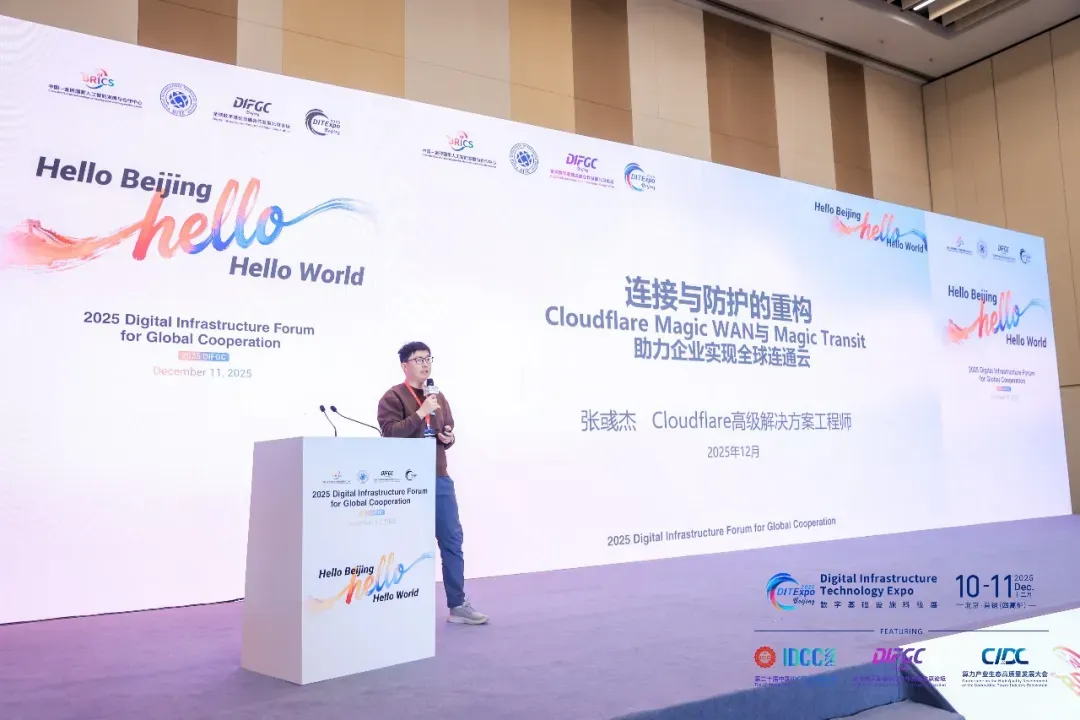
Zhang noted that as corporate IT networks extend from offices to branches, clouds, and SaaS services, complexity and attack surfaces increase significantly. Data shows that while many companies increased IT budgets in 2024, only 30% of projects met expectations, with core bottlenecks being single points of failure and management issues from traditional point-based, decentralized architectures.
Zhang detailed Cloudflare's Global Connected Cloud solution. Leveraging infrastructure in over 330 cities globally and its own GPU deployments in over 200 cities, Cloudflare has built a vast global network. Magic WAN unifies enterprise data centers, public clouds, branches, and remote employees without hardware, reducing TCO while enhancing flexibility and consistent experience. Magic Transit elevates network perimeters to Cloudflare's global network, using its 449Tbps Anycast network to defend against L3/4 DDoS attacks, ensuring stable global operations. Cloudflare provides a unified, hardware-agnostic, secure, and efficient global connected cloud platform, effectively addressing performance and management challenges of traditional decentralized architectures.
Han Chang, Vice President of UCloud, delivered the speech "The Age of Navigation, AI Cloud Empowers Enterprises to Set Sail Globally."
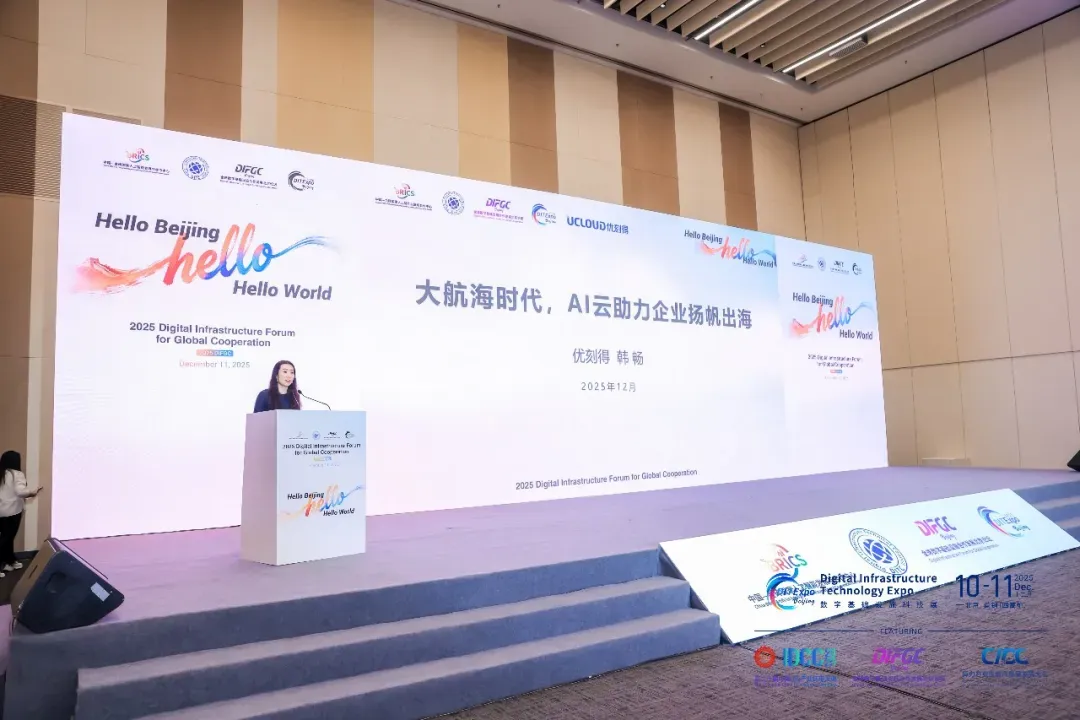
Han pointed out that globalization has shifted from "opportunity-driven" to "capability-driven," with the Middle East, Latin America, and Southeast Asia becoming absolute growth engines. She elaborated on AI's empowering role: for internet companies, AI automates content generation, intelligent advertising, and multilingual customer service, significantly reducing localization costs and improving user retention; for traditional enterprises, AI enables smart manufacturing and supply chain optimization, such as helping new energy vehicle makers reduce failure rates and optimize logistics. She emphasized AI as a key tool for precise layout, compliance risk management, and service responsiveness.
Through case studies on empowering an IDC company's globalization and a hybrid cloud architecture, Han introduced UCloud's global footprint and capabilities. As an early global cloud provider, UCloud has deployed 30 data centers across 22 regions worldwide. It also focuses on intelligent computing centers, offering integrated services covering IaaS, GPU clusters, and big data platforms.
Addressing practical globalization implementation, Zhao Chunxiao, Data Center Solutions Director at ByteBridge, shared "Case Studies of Multiple Overseas Mainstream Data Center Construction Projects."
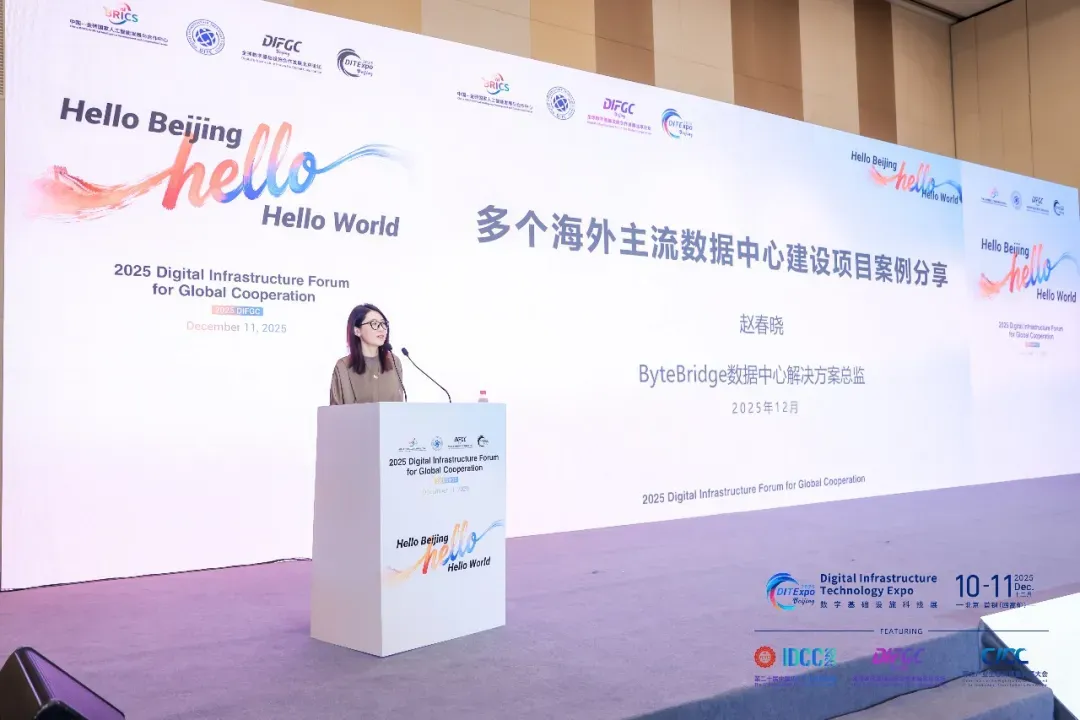
Zhao analyzed global data center trends, standards, and practical cases. She stated the 2025 global market is projected at $580 billion, characterized by high-density computing, scaled liquid cooling, green energy transition, and concentrated capital investment. Regionally, China shows intensive "East Data, West Computing" layouts; the US is driven by policy and funding; Asia-Pacific features both mature and emerging markets, with Southeast Asia and the Middle East holding great potential. Zhao also outlined globally common standard systems, providing crucial compliance references. Finally, based on practical experience, she reviewed Rahi's representative delivery cases in Indonesia, the US, Japan, France, and Singapore, showcasing its delivery capabilities in global high-density deployment and complex project management.
Mou Fan, Deputy Secretary-General of the Zhongguancun Digital Intelligence AI Industry Alliance, delivered a speech titled "Innovative Integration, Co-building a New Hardware Ecosystem to Empower International Cooperation."
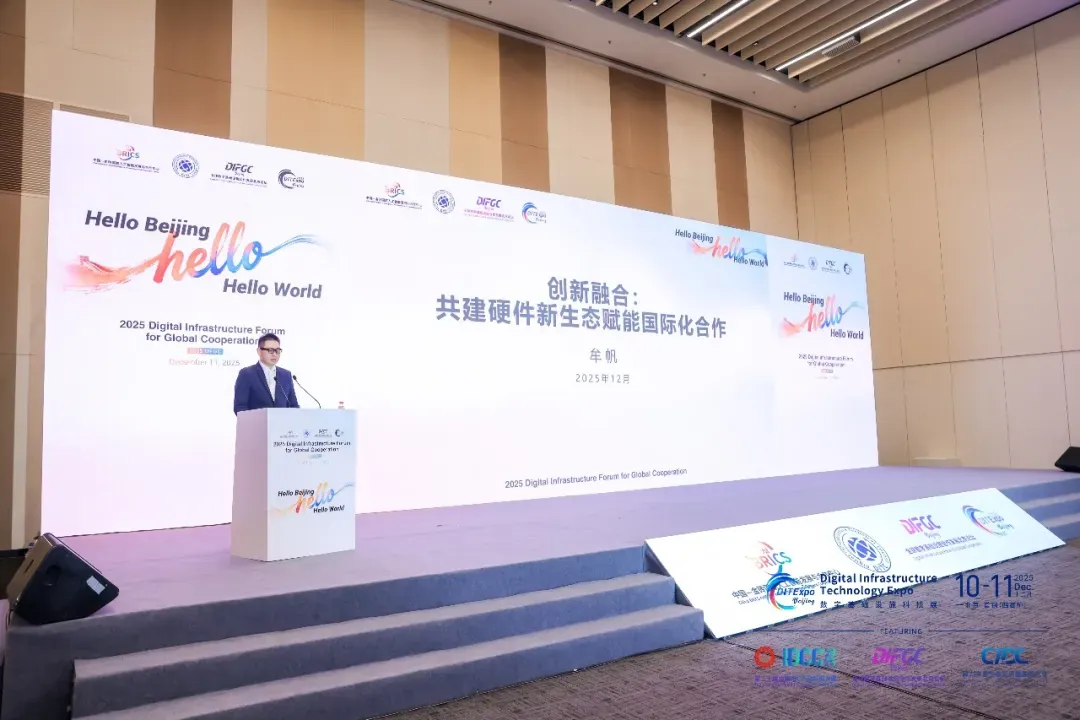
Mou noted that AI servers, edge devices, and smart sensors are three main AI hardware product directions, while the AI hardware landscape faces intensified geopolitical competition and green computing barriers. The global AI hardware industry is now a core battleground for technological competition, where technical roadmaps and global patents are key to future influence. Additionally, dual drivers of policy and market are reshaping China's AI hardware landscape.
Finally, Mou introduced the Alliance's "Xihe Digital Intelligence AI Hardware Supply-Demand Platform." Positioned as a "trustworthy translator" for AI hardware, it focuses on high-frequency scenarios like smart government and manufacturing, using mini-programs and AI agents for precise supply-demand matching.
Dialogue and Consensus: Reconstructing Interconnection Ecosystems and Globalization Strategies
With the explosion of AI computing demand, global interconnection ecosystems and cooperation models are undergoing profound reconstruction. As a key segment, the forum featured three high-level panel discussions.
The first panel, "Global IX Hub Industry Layout: Interconnection Ecosystem and Market Opportunities in the AI Era," was moderated by Steven Chen, Senior Vice President, Global Infrastructure/Strategic Expansion at EdgeNext. Panelists included Wale Ajisebutu, Chairman & CEO of 21st Century Technology Ltd.; Sa Lisa Lu, Vice President of Global Business Development at BBIX Group; Coco Cheng, Vice President of Business Development (Greater China) at SUNeVision; and Wang Weng Yew, Managing Director of Open DC Group.
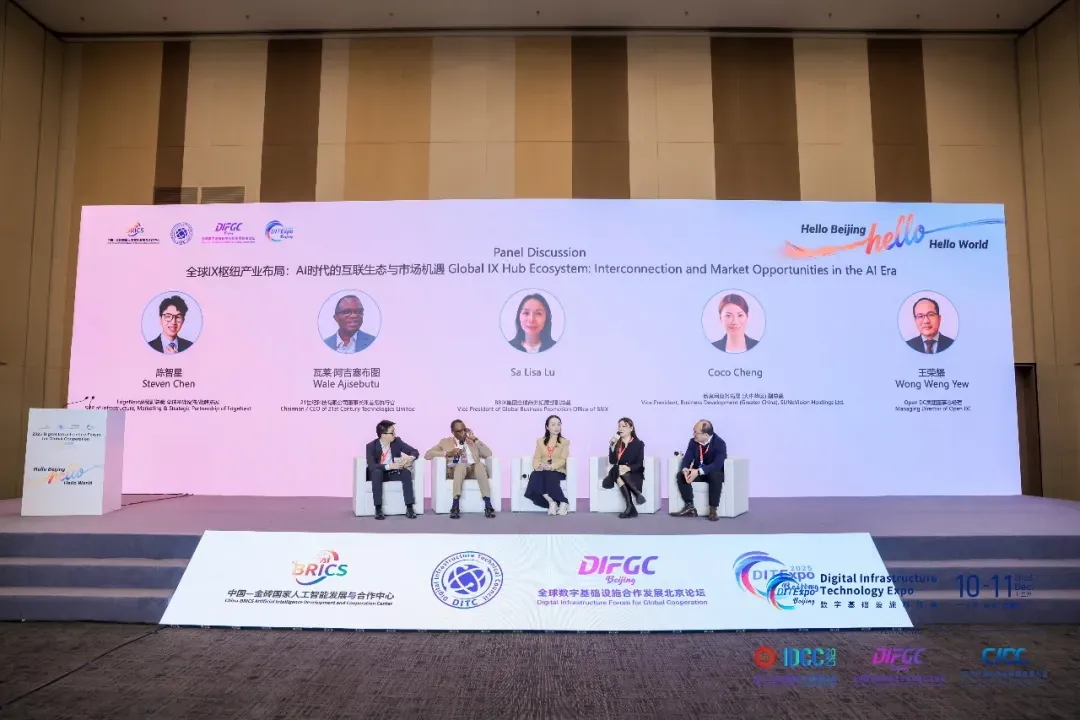
Panelists discussed infrastructure stability, IXP evolution trends, and investment strategies in the AI era. They agreed that building a resilient, diverse, and real-time visible interconnection ecosystem is fundamental for business continuity amid exploding AI computing demand. While AI prediction may optimize maintenance costs in the future, high-redundancy deployments like multi-carrier physical access remain essential for cloud providers and financial clients. For global interconnection, "ecosystem synergy" is vital. Whether for data centers, submarine cables, or IXPs, tight ecosystems involving cloud providers, network operators, and content providers are necessary for low-latency, high-quality traffic exchange. For massive infrastructure investment, a "hybrid investment strategy" was recommended: self-building for core data assets and leveraging cloud/outsourcing for non-core or elastic needs to balance cost and flexibility.
The second panel, "Artificial Intelligence: Resource Empowerment for Global Partners," was moderated by Laura Deng, Expert at the International Development Department of CAICT's AI Research Institute and Operations Lead of the International Cooperation Group at the China AI Industry Alliance. Panelists included Luis Yonezawa, Head of Science, Technology & Innovation at the Embassy of Brazil in China; Qiu Yue, Associate Professor at Tsinghua University's School of Medicine and Management; Julia Chen, Advisor at the Simon Long-term Governance Institute; Yuan Haijie, CEO of Xiaoduo Intelligent Technology (Beijing) Co., Ltd.; and Jason Shen, Algorithm Engineer at Huayuan Computing Technology (Shanghai) Co., Ltd.
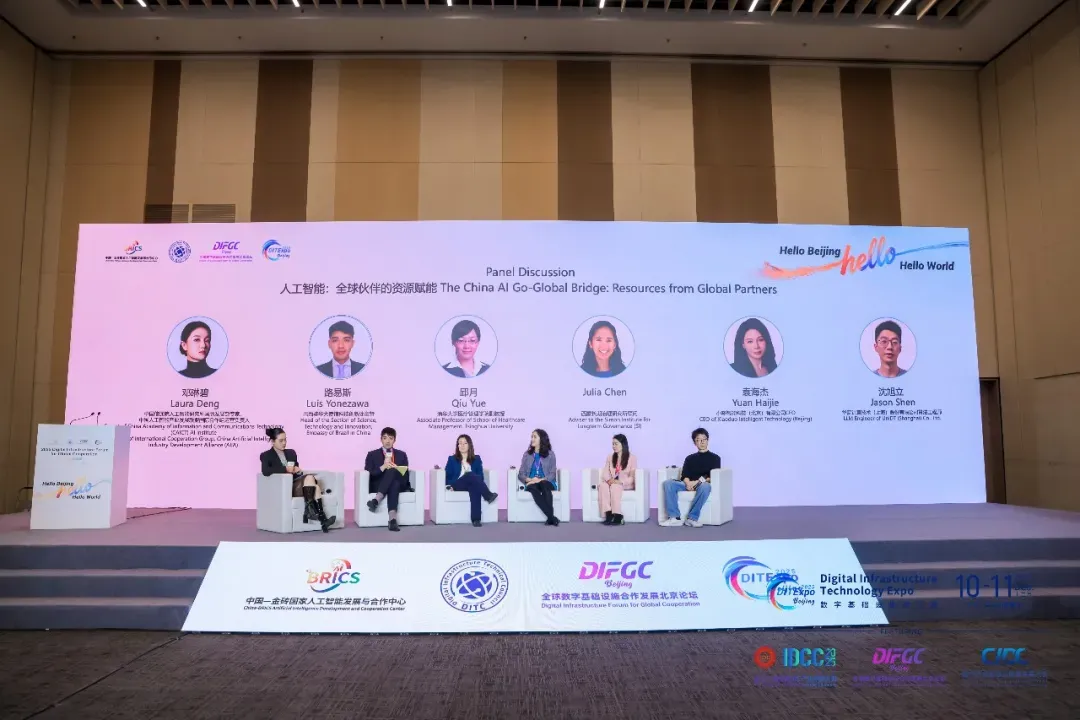
Discussions centered on co-building AI computing infrastructure, AI governance and implementation, and global AI partner collaboration. Panelists agreed the global AI industry faces "resource and capability imbalances," evident in uneven data distribution, high-end talent shortages, and technology barriers from geopolitics. The path forward is deepening multilateral cooperation through joint talent cultivation, transparent dialogue mechanisms, and shared research projects to bridge the "digital divide." For commercialization and globalization, "compliance and localization" are not just legal requirements but core to product competitiveness. Companies must prioritize localized compliance and risk assessment. AI products cannot merely transfer technology; deep localization adaptation is needed to transform general technology into standardized services addressing local pain points for true global empowerment.
The final panel focused on "Corporate Globalization Strategy and Ecosystem Cooperation Under Asymmetric Global Computing Power." Moderated by Alex Yang, Founder & CEO of Liasail, panelists included Jeffrey Tay, Chief Development & Marketing Officer of GALAXY DATA CENTER PTE. LTD.; Jacky Kong, Assistant Vice President, Strategic Account Management at PCCW Global; Kwan Woo Kim, Global Business Strategy Director at KINX Group; Zhang Yang, Director of Compute & Cloud Native Products at Amazon Web Services; Louis Yang, Vice President of China Telecom Global, Managing Partner of Global Telecom Capital; and Zheng YanDing, CFA, General Manager of Huiyu Chuanggu (Hangzhou) Equity Investment Fund Co., Ltd. They deeply analyzed globalization opportunities, challenges, and green computing from strategic, capital, and technical perspectives.
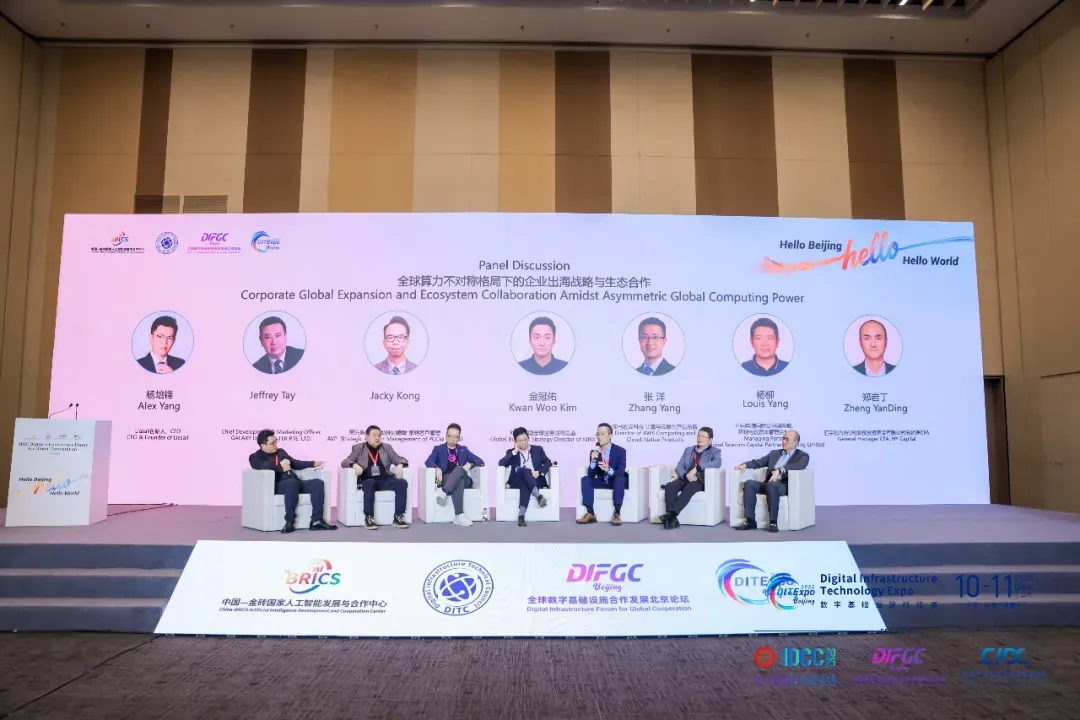
The guests unanimously agreed that the decision-making logic for companies expanding overseas must adhere to the dual principles of "customer-centricity" and "deep localization." Decisions should closely follow the actual business flows of customers and deeply adapt to local policy environments. Furthermore, pure computing power rental businesses are gradually falling into the homogenized competition of a "red ocean," with the industry's value high ground shifting toward "refined operations" and "full-stack services." The capital market's evaluation logic for assets has also shifted from "scale" to "quality"—that is, whether companies possess long-term customer retention capabilities, stable cash flow, and value-added technical service capabilities. Meanwhile, green computing power has become a "standard configuration" for global operations. This means not only using green electricity, but also requires companies to export systematic green solutions to local markets that encompass energy efficiency management, chip technology optimization, and ecosystem development, in order to address energy shortage challenges and integrate into local sustainable development strategies.
This forum aimed to build an international exchange platform covering the AI and computing power ecosystem. Following the day's agenda, the "Shougang Starry Night: International Cooperation Dinner" provided further networking for global attendees.



Looking ahead, global computing power synergy and open cooperation are becoming core engines driving high-quality digital economic development. Chinese companies, with technological innovation and ecosystem co-creation, are accelerating their integration into and contribution to the construction and development of global digital infrastructure.
Published: December 25, 2025
Category: Events
Popular Articles

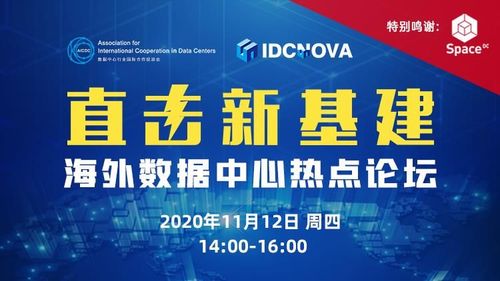
Online International Data Center Forum
Online International Data Center Forum Venue: Online Date: 2020.11.12 Host: IDCNOVA
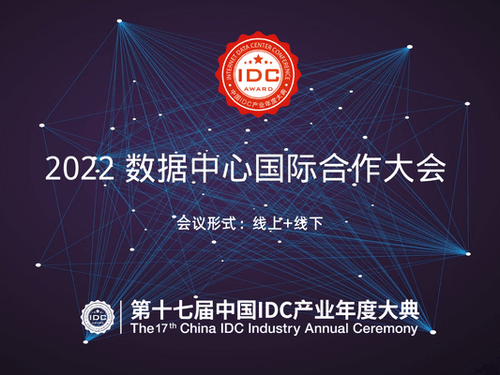
2022 Data Center International Cooperation Conference
2022 Data Center International Cooperation Conference Venue: China National Convention Center Host: IDCNOVA
Over 600 Guests from 20+ Countries Gather at 2025 DIFGC Beijing to Explore New Pathways for Global AI Computing Collaboration
the 2025 Beijing Forum on Global Digital Infrastructure Cooperation & Development (2025 DIFGC), themed “Global Computing Synergy: Co-Creating the Future of AI Data Centers,” was co-guided by the Digital Infrastructure Technology Council (DITC) and the China-BRICS Artificial Intelligence Development and Cooperation Center.
Related Articles
Online International Data Center Forum
Online International Data Center Forum Venue: Online Date: 2020.11.12 Host: IDCNOVA
2022 Data Center International Cooperation Conference
2022 Data Center International Cooperation Conference Venue: China National Convention Center Host: IDCNOVA